The Ultimate Guide to Presidents Worksheet Answers: An Overview
This comprehensive guide expertly navigates presidential studies, offering detailed resources, engaging activities, and insightful analysis for students exploring U.S. history and civics.
What are Presidents Worksheets?
Presidents worksheets are educational tools designed to reinforce learning about U.S. presidents, their administrations, and the historical contexts they navigated. These resources typically include varied question types – multiple choice, fill-in-the-blank, and matching – to assess comprehension. They cover presidential roles, responsibilities, and significant events, aiding students in mastering key historical concepts and developing critical thinking skills.
Target Audience for These Worksheets
These worksheets primarily target students in upper elementary through high school, specifically those engaged in U.S. history, civics, and social studies curricula. They are beneficial for both classroom use and homeschooling environments. Educators utilize them for assessment, review, and supplemental learning, while students employ them for self-study and reinforcing their understanding of presidential history.
Key Historical Periods Covered in Presidential Studies
Presidential studies encompass crucial eras – Early Presidents, the Civil War, and the Progressive Era – providing context for evolving leadership and national challenges.
Early Presidents (Washington to Monroe)
Focusing on foundational leadership, this period examines the establishment of the presidency under Washington, Adams, Jefferson, and Madison. Worksheets explore the challenges of forming a new nation, including establishing precedents, navigating foreign policy, and defining the executive branch’s powers.
Monroe’s era, marked by the “Era of Good Feelings,” is also analyzed, emphasizing national unity and expansionist policies like the Monroe Doctrine.
The Civil War Era (Lincoln to Johnson)
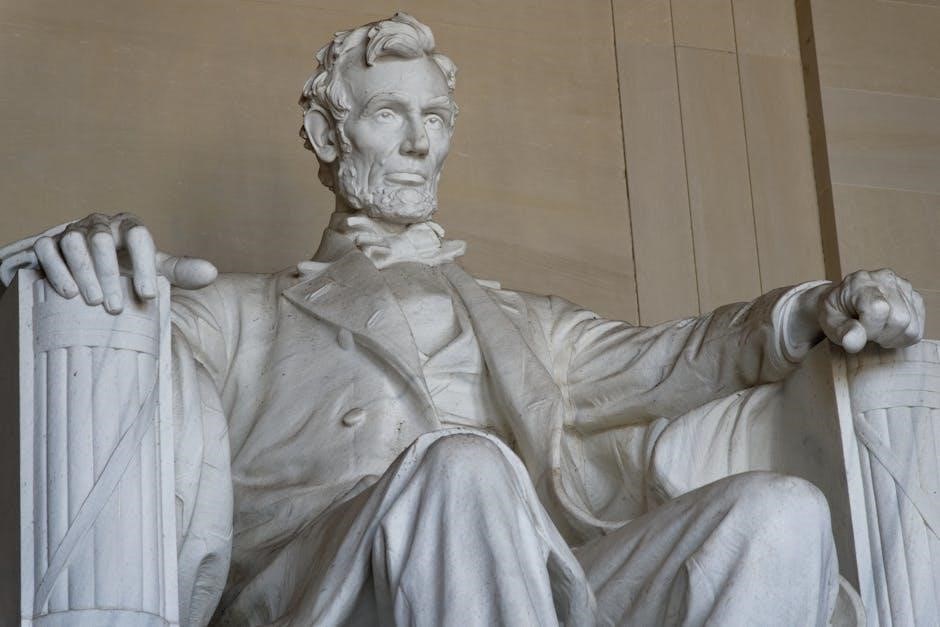
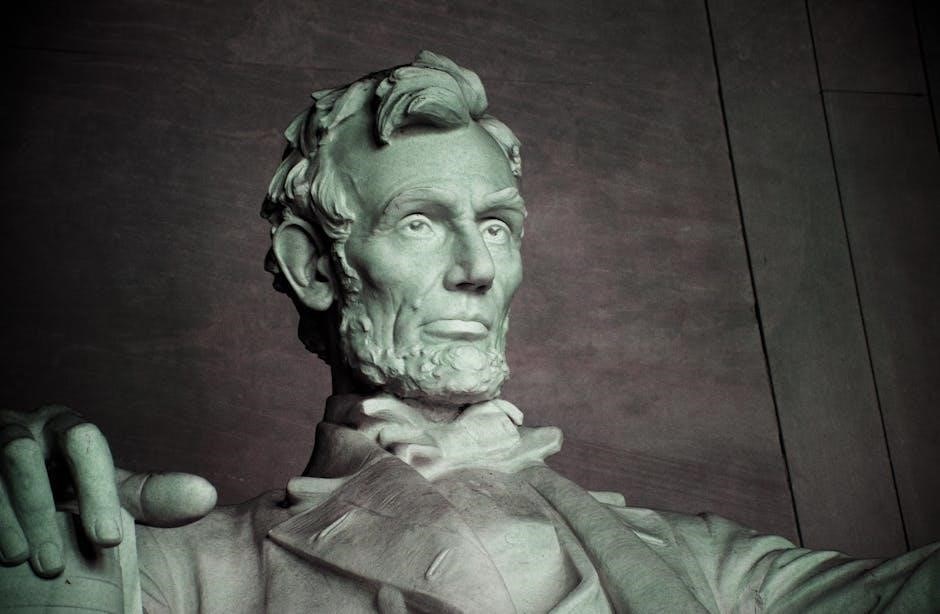
This pivotal period delves into the presidency during the nation’s greatest crisis. Worksheets concentrate on Lincoln’s leadership during the Civil War, emancipation, and his vision for reunification.
Analysis extends to Johnson’s Reconstruction efforts, exploring the political battles and challenges of integrating formerly enslaved people into society, alongside the constitutional debates of the time.
The Progressive Era (Roosevelt to Taft)
Worksheets focusing on Roosevelt’s “Square Deal” and trust-busting initiatives are central, alongside Taft’s continuation of progressive policies. Students analyze reforms addressing economic inequality, political corruption, and social injustices.
Exploration includes conservation efforts, food safety regulations, and the evolving role of the federal government in regulating industry, fostering critical thinking about this transformative era.

Understanding Presidential Roles and Responsibilities
Worksheets dissect the President’s multifaceted duties – Commander-in-Chief, Chief Diplomat, and Chief Executive – clarifying powers and constitutional foundations for students.
Commander-in-Chief
As Commander-in-Chief, the President’s authority over the armed forces is a core focus of many worksheets. Students explore this role through scenarios and questions examining wartime powers, military strategy, and the constitutional basis for civilian control. Worksheets often detail the President’s power to deploy troops, direct military operations, and ensure national security, prompting critical thinking about the balance between executive authority and congressional oversight.
Chief Diplomat
Examining the President as Chief Diplomat is crucial, and worksheets frequently assess understanding of treaty negotiation, ambassador appointments, and foreign policy execution. Students analyze historical examples of diplomatic successes and failures, learning how presidential actions shape international relations. Questions often focus on executive agreements, diplomatic recognition, and the President’s role in global organizations.
Chief Executive
As Chief Executive, the President enforces laws and manages the federal bureaucracy. Worksheets test knowledge of executive orders, appointments to federal positions, and the power of pardon. Students explore the President’s relationship with executive departments, understanding how policies are implemented and overseen. Questions assess comprehension of the executive branch’s structure and function.
Types of Questions Found on Presidents Worksheets
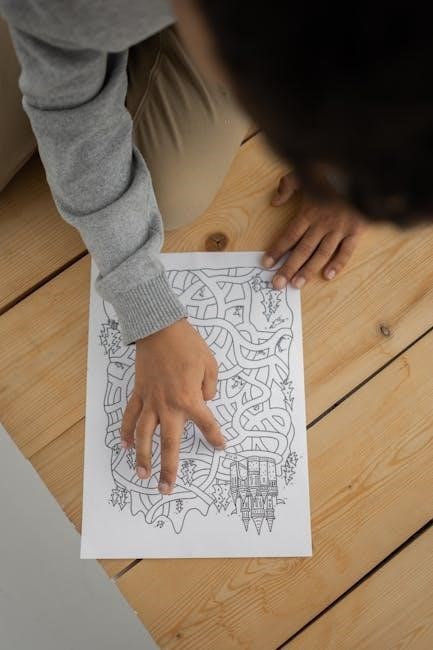
Presidential worksheets commonly feature multiple-choice, fill-in-the-blank, and matching questions, assessing student understanding of facts, roles, and historical context effectively.
Multiple Choice Questions
Multiple-choice questions are a staple, testing recall of presidential facts, dates, and significant events. These questions often assess understanding of a president’s policies, challenges faced during their term, and lasting impacts on the nation. They frequently require students to differentiate between similar historical details, promoting critical thinking and precise knowledge of presidential history.
Fill-in-the-Blank Questions
Fill-in-the-blank questions challenge students to actively retrieve information from memory, reinforcing key terms and concepts related to presidential history. These questions often focus on specific details like dates of presidencies, landmark legislation signed, or pivotal moments during a president’s administration, demanding accurate recall and comprehension.
Matching Questions
Matching questions effectively assess a student’s ability to connect presidential actions with their corresponding outcomes or roles with their descriptions. These exercises frequently pair presidents with significant policies, constitutional powers with presidential duties, or historical events with the administrations that oversaw them, fostering a holistic understanding.
Resources for Finding Worksheet Answers
Locate answers through official government sites, educational platforms, and reliable textbooks – providing students with verified information and supporting their learning journey.
Official Government Websites
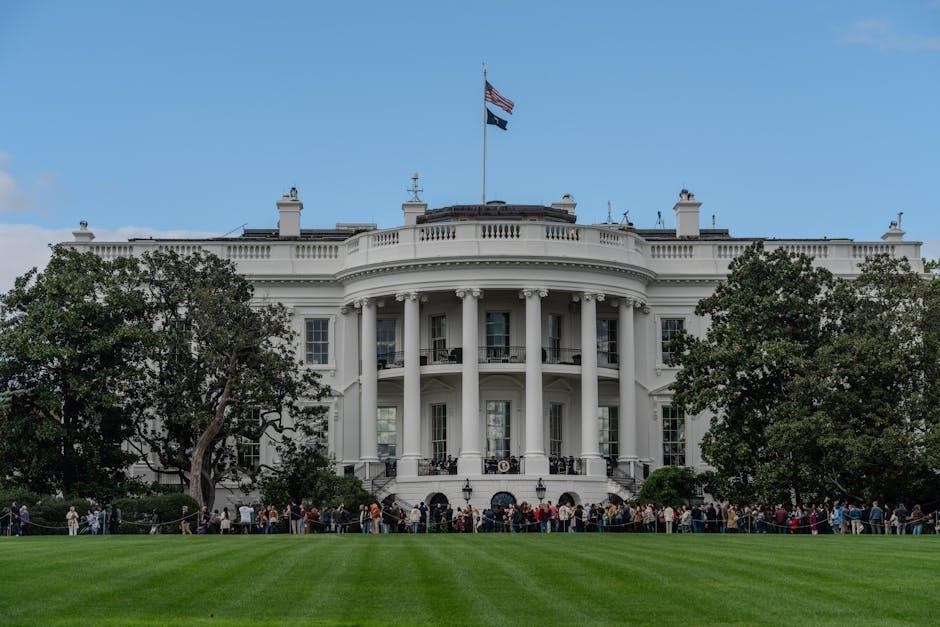
Access primary source materials and authoritative information directly from the U.S. government. Websites like the National Archives (archives.gov) and the White House (whitehouse.gov) offer presidential documents, historical records, and biographies. These resources provide accurate details for verifying worksheet answers and deepening understanding of presidential history, ensuring reliable and factual learning experiences.
Educational Websites & Platforms
Explore curated resources on platforms like Wayground and PBS LearningMedia, offering presidential worksheets, interactive timelines, and educational videos. These sites provide supplementary materials to enhance learning and verify answers. They often feature engaging content tailored for students, simplifying complex historical concepts and fostering a deeper comprehension of presidential legacies.
Textbooks and Study Guides
Utilize established textbooks and dedicated study guides as reliable sources for verifying worksheet answers. These resources provide comprehensive historical context and detailed information about each president’s administration. Cross-referencing worksheet questions with textbook chapters ensures accuracy and reinforces understanding of key events and presidential roles.

Specific Worksheet Examples & Answer Locations
Explore examples like “All in a Days Work” and “The Seven Roles of the President,” finding answer keys focused on presidential duties and constitutional powers.
“All in a Days Work” Worksheet ─ Responsibilities of the President
This valuable resource meticulously details the multifaceted responsibilities of the U.S. President and Vice President. It expertly connects these duties to the powers explicitly outlined within the Constitution, fostering a deeper understanding of executive authority.
Furthermore, the worksheet includes a practical matching exercise, challenging students to correlate key U.S. executive departments with their specific functions, solidifying comprehension of governmental structure.
The Seven Roles of the President Worksheet ー Answer Key Focus
This focused worksheet is thoughtfully designed to seamlessly integrate leadership concepts with essential academic practice. Each question and corresponding answer key reinforces core skills, including expanding word knowledge and enhancing reading comprehension.
The aim is to provide students with a robust understanding of the President’s diverse roles – Commander-in-Chief, diplomat, and more – through targeted exercises and clear, concise answers.
Utilizing QR Codes and Digital Resources
QR codes and links enhance learning by providing instant access to online government information, interactive timelines, and supplemental materials for deeper exploration;
Accessing Online Government Information
Utilizing QR codes streamlines access to official U.S. government websites, offering students primary source documents, presidential libraries, and detailed historical records. These resources provide authentic materials for research projects and deepen understanding beyond textbook narratives. Students can explore the National Archives, the White House website, and congressional records, fostering critical thinking and informed civic engagement through direct access to governmental data.
Interactive Presidential Timelines
Digital timelines offer a dynamic way to visualize presidential history, showcasing key events, policies, and accomplishments in chronological order. These interactive tools often include multimedia elements like photos and videos, enhancing engagement and retention. Students can explore presidential legacies, identify patterns, and understand the evolving role of the presidency through these visually compelling resources.
Assessment and Evaluation with Answer Keys
Answer keys facilitate self-assessment and provide teachers with efficient grading tools, ensuring accurate evaluation of student understanding of presidential history and roles.
Using Answer Keys for Self-Assessment
Empowering students to independently evaluate their comprehension is crucial. Answer keys allow for immediate feedback, pinpointing areas needing further study. This self-directed approach fosters a deeper understanding of presidential history, roles, and responsibilities. Students can actively identify knowledge gaps and refine their learning strategies, promoting academic growth and confidence. Utilizing these keys encourages responsible learning habits.
Teacher Resources and Grading
For educators, readily available answer keys streamline the grading process, saving valuable time. These resources facilitate efficient assessment of student understanding regarding presidential history and civic duties. Worksheets, coupled with keys, offer a structured method for evaluating comprehension of key concepts and historical context, ensuring fair and consistent grading practices within the classroom.
Common Challenges Students Face & How to Overcome Them
Students often struggle with memorizing presidential order and grasping complex historical contexts; utilizing timelines and primary sources can significantly improve comprehension and retention.
Memorizing Presidential Order
A significant hurdle for many students is accurately recalling the sequence of U.S. presidents. Employing mnemonic devices – like acronyms or associating presidents with memorable events – proves beneficial. Interactive timelines, readily available online, offer a visual and engaging method for mastering the order.
Regular quizzing and spaced repetition further solidify knowledge, transforming a daunting task into a manageable learning process.
Understanding Complex Historical Context
Grasping the nuances of each presidential era requires more than memorizing dates; it demands understanding the socio-political climate. Encourage students to explore primary sources – letters, speeches, and documents – to gain firsthand insights.
Connecting presidential actions to broader historical trends fosters critical thinking and a deeper appreciation for the complexities of leadership.
Free Printable Resources and Where to Find Them
Wayground’s collection provides accessible presidential worksheets and printables, complete with answer keys, to reinforce learning and assess student comprehension effectively.
Wayground’s Collection of Presidential Worksheets
Wayground offers a robust and freely accessible library of presidential resources, designed to cultivate a deeper understanding of U.S. history. Students can master key accomplishments and significant leadership moments through engaging practice problems.
These worksheets, coupled with readily available answer keys, provide an excellent tool for both classroom instruction and independent study, fostering a comprehensive learning experience.
Printable KWL Charts and Writing Prompts
Enhance learning with versatile printable KWL charts, ideal for assessing prior knowledge and tracking comprehension throughout presidential studies. Complement these with thoughtfully crafted writing prompts, encouraging students to synthesize information and articulate their understanding.
These readily available materials support diverse learning styles and provide valuable tools for both individual exploration and collaborative classroom activities.
Enhancing Learning with Supplemental Activities
Dive deeper with research projects on individual presidents and primary source analysis, fostering critical thinking and a nuanced understanding of leadership.
Research Projects on Individual Presidents
Encourage students to select a U.S. president for in-depth research, exploring their background, key decisions, and lasting impact. This project cultivates analytical skills through comprehension passages and materials. Students can then present their findings, demonstrating a deeper understanding of presidential leadership and historical context, enriching their learning experience.
Primary Source Analysis
Dive into historical documents – presidential speeches, letters, and official records – to foster critical thinking. Analyzing these sources allows students to directly engage with the past, interpreting events from the president’s perspective. This skill builds analytical abilities and provides a nuanced understanding of historical context and decision-making.
The Importance of Civics Education
Civics education cultivates informed, engaged citizens who understand the U.S. government and their roles within it, fostering a stronger democracy for all.
Understanding the US Government
A solid grasp of the U.S. government’s structure – its branches, powers, and checks and balances – is fundamental. Studying presidents illuminates how these systems function in practice. Worksheets focusing on presidential roles, like Commander-in-Chief and Chief Diplomat, demonstrate constitutional principles. This knowledge empowers students to become active, informed participants in a democratic society, capable of critical analysis and reasoned civic engagement.
Developing Informed Citizens
Civics education, bolstered by resources like presidential worksheets, cultivates informed citizens equipped to navigate complex issues. Analyzing presidential decisions and historical contexts fosters critical thinking and responsible participation. Understanding the powers and limitations of the presidency encourages thoughtful engagement with government, promoting a well-informed electorate vital for a thriving democracy.